Service 1
Landscaping

Landscaping is more than just planting a few shrubs and mowing the lawn—it's the art of turning outdoor areas into stunning, functional living spaces. A well-designed landscape complements the architecture of a home while providing a peaceful retreat for relaxation. Whether it's a backyard garden or a commercial green space, great landscaping blends nature with structure in harmonious ways. The goal is to enhance the property’s appeal while adding value and usability. Every successful project begins with a thoughtful plan tailored to the land and the client's needs. From there, the vision starts to take root—literally and figuratively.

The design phase of landscaping is where creativity meets strategy. It involves choosing the right plants, layout, and hardscape elements to bring balance and flow to the space. Soil condition, sun exposure, and climate zones must all be considered to ensure the long-term success of the installation. Color theory, seasonal interest, and even wildlife attraction play a role in the planning. Good designers know how to layer heights, textures, and shapes for maximum impact. It’s not just about what looks good now—it’s about designing a garden that matures beautifully over time. That long-term thinking is what separates professional landscapes from temporary fixes.

Installation is where the blueprint becomes reality. Skilled landscapers prepare the ground, install irrigation systems, and bring the design to life piece by piece. This phase often includes turf laying, garden bed creation, and the building of paths, decks, or retaining walls. It requires precision, patience, and knowledge of both plant biology and construction techniques. Proper spacing, drainage, and placement are critical to avoid future maintenance issues. When done correctly, installation creates a seamless blend between nature and built elements. It’s the physical manifestation of the plan envisioned during the design stage.

Landscaping isn’t just about aesthetics—it also plays a practical role. Strategically placed trees and shrubs can provide shade, reduce energy costs, and even shield a property from harsh winds. Permeable paving and well-designed drainage systems help manage stormwater runoff. Native plants support local ecosystems by attracting pollinators and reducing the need for chemical treatments. Functional landscaping transforms yards into extensions of the home, offering space to entertain, relax, or garden. These elements improve quality of life and encourage more outdoor living. The practical benefits are often as important as the visual ones.

Maintenance is a key component in keeping a landscape thriving. Regular tasks such as mowing, pruning, fertilizing, and mulching ensure plants stay healthy and attractive year-round. Without ongoing care, even the most beautiful garden can quickly fall into disrepair. Landscapers often tailor maintenance plans to the specific needs of the plants and layout. This can involve seasonal planting, pest control, and irrigation system checks. A well-maintained garden not only looks better but also lasts longer. Maintenance is what protects your investment and keeps the outdoor space performing at its best.

Sustainability is becoming increasingly important in modern landscaping. Eco-conscious clients look for drought-tolerant plants, organic fertilizers, and water-saving systems. Green landscaping practices reduce environmental impact while still creating stunning outdoor areas. Xeriscaping, for instance, is a method that uses minimal irrigation and hardy plants to conserve water. Composting garden waste and using reclaimed materials in construction are other sustainable strategies. Landscapers today must balance beauty with responsibility. By adopting eco-friendly practices, they create landscapes that are both gorgeous and kind to the planet.

Trends in landscaping are constantly evolving. Modern designs often favor clean lines, native plants, and low-maintenance elements. Outdoor living spaces like kitchens, fire pits, and lounges are growing in popularity. Edible gardens are also making a comeback, as more homeowners want to grow their own herbs and vegetables. Technology plays a role too—with smart irrigation, solar lighting, and even robotic mowers. Staying updated with trends allows landscapers to offer fresh ideas and solutions. It also helps clients customize their outdoor space to fit changing lifestyles.

In the end, landscaping is a blend of science, art, and craftsmanship. It enhances property value, improves environmental health, and creates enjoyable spaces to live and unwind. Each project reflects the land’s unique character and the owner's personality. Whether it’s a tranquil garden or a vibrant entertainment space, great landscaping leaves a lasting impression. It’s not a one-size-fits-all service but a deeply personalized transformation. The best landscapes grow better with time, evolving alongside the people who enjoy them. With the right vision and execution, any outdoor space can be turned into a masterpiece.

Service 2 Image
Garden Maintenance

A vibrant garden doesn’t happen by chance—it’s the result of consistent, thoughtful care. Garden maintenance is the process that keeps your outdoor space not only looking good but thriving through every season. It involves a blend of routine tasks and seasonal attention to detail. While design brings the initial wow factor, upkeep ensures your garden stays healthy and attractive long term. Without proper maintenance, even the most beautiful landscape can quickly lose its appeal. Regular care is what separates lush, lively gardens from neglected plots.

Healthy soil is the foundation of any thriving garden. Over time, soil can become compacted or depleted, making it harder for plants to absorb nutrients. Aeration, composting, and periodic soil testing help keep your garden beds fertile and well-balanced. Organic matter improves drainage and encourages beneficial microorganisms. By investing in the ground beneath your plants, you're setting them up for stronger growth above. Strong roots mean resilient plants, and healthy plants are less susceptible to pests and disease.

Pruning and trimming are vital parts of garden maintenance, though often misunderstood. These tasks aren't just about shaping plants—they also encourage new growth and prevent overcrowding. Cutting back dead or diseased branches helps redirect energy to healthier parts of the plant. Strategic pruning can also improve airflow, which reduces the risk of fungal infections. Different plants require different approaches, making it important to know the right techniques. Regular, well-timed pruning can keep your garden looking sharp and blooming longer.

Weed control is another essential, often underestimated, element of garden care. Weeds compete with your plants for sunlight, water, and nutrients. If left unchecked, they can quickly take over, choking out the plants you've worked hard to grow. Mulching helps reduce weed growth by blocking light and retaining soil moisture. Hand-pulling, hoeing, and targeted treatments can also keep unwanted growth under control. A proactive approach to weeds prevents bigger problems down the line. Keeping them at bay protects your investment and preserves your garden’s beauty.

Watering wisely is more than turning on a hose—it's an art and a science. Too little water leads to drought stress, while too much can drown roots or invite disease. Deep, infrequent watering encourages roots to grow deeper, making plants more drought-tolerant. Early morning is typically the best time to water, as it reduces evaporation and allows foliage to dry out during the day. Using drip irrigation or soaker hoses can make watering more efficient. Monitoring weather and soil conditions helps you water with precision, not guesswork.

Feeding your garden ensures continuous growth and strong blooms. Different plants have different nutritional needs, and a one-size-fits-all approach often falls short. A well-balanced fertilizer schedule tailored to your plants makes all the difference. Organic options like compost tea, fish emulsion, and seaweed extract offer gentle, long-lasting nourishment. Over-fertilizing can cause more harm than good, so moderation and timing are key. When plants are well-fed, they reward you with vibrant leaves, robust flowers, and steady growth throughout the seasons.

Seasonal clean-ups help your garden transition smoothly between the changing climates. In autumn, clearing fallen leaves and debris prevents mold and creates room for spring bulbs. Spring calls for planting, mulching, and refreshing the beds. Winter preparation often involves protecting delicate plants and checking drainage. Each season brings its own checklist of maintenance tasks to keep your garden in top shape. Staying ahead of these seasonal shifts allows your garden to bounce back stronger each year. It also keeps your space looking polished and well-tended year-round.

Ultimately, garden maintenance is about building a relationship with your landscape. It teaches patience, observation, and the satisfaction of nurturing life. With each hour spent tending the soil, snipping deadheads, or pulling weeds, your garden responds with color, fragrance, and life. It’s a continuous cycle of give and take, one that rewards effort with natural beauty. Hiring professionals can ease the workload, but even small, regular efforts make a noticeable difference. A well-maintained garden doesn’t just impress visitors—it becomes a personal sanctuary you can be proud of.

Service 3
Turfing

There’s something instantly satisfying about a lush, green lawn—it sets the tone for the entire property. Turfing is the process of laying fresh grass to quickly establish a healthy, vibrant lawn surface. Whether you're starting from scratch or replacing patchy areas, turfing is a fast and effective way to transform your yard. Unlike seeding, turf offers immediate visual impact and a uniform appearance. It also helps prevent erosion and quickly covers bare soil. A well-installed turf boosts your curb appeal almost overnight.

Preparation is the most critical stage in any turfing project. Skipping this step can lead to drainage issues, poor root development, or uneven surfaces. The soil must be cleared of rocks, weeds, and debris before being leveled and compacted. Adding a nutrient-rich underlay helps promote strong, deep root growth. Soil pH may need adjustment to ensure the turf can absorb nutrients efficiently. A properly prepared base sets the stage for long-term turf success.

Choosing the right type of turf depends on your climate, soil type, and how you use the space. Some varieties are better suited to shaded areas, while others thrive under full sun or heavy foot traffic. Buffalo grass, Kikuyu, and Couch are common choices in Australia, each with its own benefits. Factors like drought resistance, softness, and maintenance levels should guide your decision. Consulting a professional ensures you select the most appropriate turf for your lifestyle. The right grass choice is key to having a resilient, beautiful lawn.

Once laid, turf requires careful attention to establish roots and adapt to its new environment. Initial watering is crucial—typically every day for the first couple of weeks. This helps the grass bond with the soil below and reduces air pockets. Mowing should be delayed until the turf is firmly rooted, usually around 2-3 weeks after installation. The first few cuts should be light to avoid shocking the grass. These early weeks are vital in determining the lawn's future health and appearance.

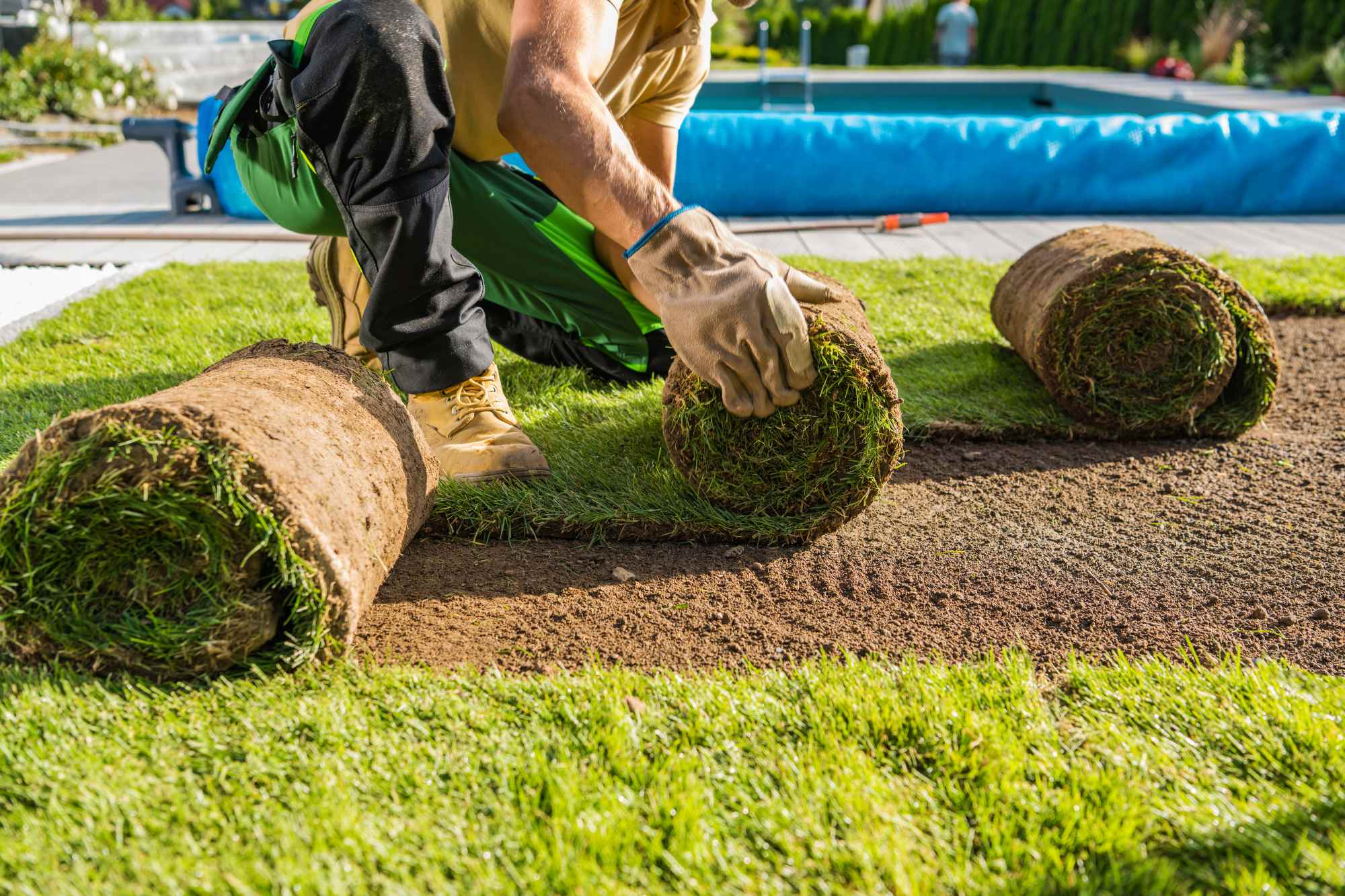
Proper installation makes all the difference in how your turf matures. Turf should be laid in a brickwork pattern to minimize gaps and ensure full coverage. Each roll must be pressed firmly into the soil, with no overlapping edges or open seams. Rolling the lawn after installation helps improve contact with the soil, reducing air spaces beneath. Any slight bumps or hollows should be addressed immediately to avoid future unevenness. The goal is a smooth, even surface that feels great underfoot.

Post-installation care is often overlooked but essential for lasting results. After the turf has taken root, adjust your watering schedule to encourage deeper root systems. A slow-release fertilizer applied a few weeks after installation helps feed new growth. Regular mowing, weed control, and aeration keep the lawn in peak condition. Ignoring early maintenance can lead to discolored patches or thinning grass. Long-term success depends on building strong foundations in the first months.

Turfing can also improve the overall health of your outdoor environment. Lawns help cool surrounding areas, reduce noise, and trap dust and pollutants from the air. They contribute to stormwater management by allowing water to soak into the soil instead of running off. Turf also provides a safe and comfortable surface for children, pets, and outdoor activities. Its visual appeal is matched by its practical benefits. A well-maintained lawn contributes more than just good looks—it creates a better outdoor experience.

In summary, turfing is a smart investment for anyone looking to upgrade their yard quickly and effectively. With the right preparation, selection, and care, a turf lawn can deliver years of beauty and functionality. It’s a process that rewards attention to detail and thoughtful planning. Whether you're renovating your backyard or finishing a new landscape design, turfing offers immediate impact with long-term satisfaction. The key is knowing what to do—and when to do it. With expert guidance and a little commitment, your dream lawn is well within reach.

Service 4
Lawn Mowing

A freshly cut lawn is one of the most noticeable signs of a well-kept home. Lawn mowing not only improves the visual appeal of your yard but also plays a vital role in the overall health of your grass. Consistent mowing encourages even growth, discourages weeds, and helps maintain strong root systems. It also reduces pests and promotes a cleaner outdoor environment. A neat lawn enhances property value and leaves a lasting impression on visitors. The best part? It’s one of the simplest maintenance tasks with the biggest payoff.

Understanding your lawn's specific needs is the first step to effective mowing. Not all grass types require the same mowing frequency or height settings. Cutting too short can weaken the turf, making it vulnerable to stress and disease. Leaving it too long may cause uneven growth and block sunlight from reaching lower blades. The key is to find the right balance based on your climate, season, and lawn variety. Knowing what your lawn needs will help you avoid common mistakes and get better results.

The timing of your mow matters just as much as how often you do it. Early morning or late afternoon is ideal, especially during hotter months when midday mowing can stress the grass. Avoid mowing wet grass, as it can clog your mower and cause clumps that smother the turf. Sharp blades make clean cuts, reducing the chance of tearing or damaging the grass tips. A well-maintained mower performs better and keeps your lawn looking crisp. It’s about more than just cutting—it’s about caring for the entire surface.

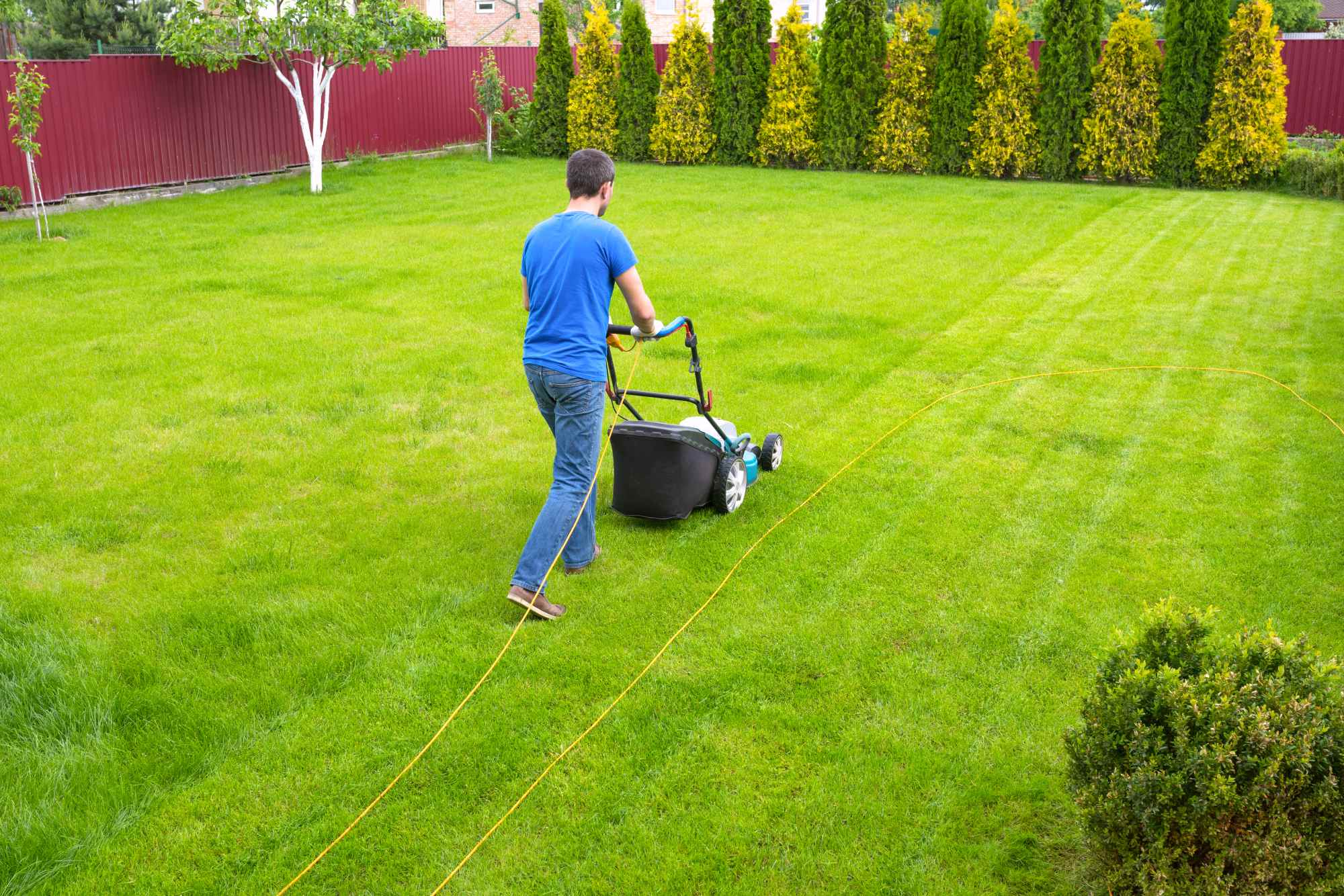
Changing up your mowing pattern can actually benefit your lawn more than you might expect. Repeatedly mowing in the same direction causes soil compaction and can create unsightly tracks. By alternating your mowing lines—diagonal one week, horizontal the next—you give the grass a chance to stand up straight. This encourages healthier growth and improves airflow through the blades. Your lawn ends up looking fuller and more even over time. Simple adjustments like this can make a big difference in your results.

Grass clippings often get a bad rap, but they’re more helpful than harmful when managed correctly. Known as "grasscycling," leaving clippings on the lawn returns nutrients to the soil and reduces the need for extra fertiliser. They break down quickly and don’t cause thatch if mowing is done regularly. This sustainable approach also saves time and reduces green waste. Instead of bagging every mow, consider letting nature do some of the work for you. It’s an easy, eco-friendly way to boost lawn health.

Edges and corners are often overlooked during routine mowing, yet they make a huge visual impact. Crisp edges give your lawn a polished finish and define garden beds, driveways, and footpaths. Trimming around posts, fences, and trees ensures an even appearance across your entire yard. Using a whipper snipper or edging tool can make this task much easier. These finishing touches might seem small, but they elevate the look of the entire outdoor space. Attention to detail turns a good mow into a great one.

Seasonal changes should guide how you mow throughout the year. In spring, grass grows rapidly and benefits from frequent, lighter cuts. Summer may require adjustments to prevent scorching and stress. During cooler months, growth slows down, and mowing can be reduced accordingly. Knowing when to adapt your routine helps maintain healthy, resilient turf year-round. Tailoring your approach to the seasons ensures your lawn always looks its best—regardless of the weather. Mowing with the seasons in mind is key to a thriving landscape.

Lawn mowing might seem like a basic chore, but it’s foundational to good garden care. When done properly, it strengthens your grass, enhances your curb appeal, and contributes to a more enjoyable outdoor environment. It’s an opportunity to take pride in your property and enjoy the satisfaction of a job well done. Whether you maintain your own yard or hire a professional, consistency and care go a long way. Great lawns aren’t an accident—they’re a result of mindful, regular upkeep. And it all starts with one simple cut at a time.

Service 5
Hedging & Pruning

Hedges do more than define a boundary—they bring structure, elegance, and privacy to outdoor areas. Pruning, on the other hand, keeps plants healthy, manageable, and visually pleasing. Together, hedging and pruning are essential garden practices that create order and promote vitality. These techniques ensure shrubs, trees, and bushes maintain their intended shape and grow as desired. With skilled hands and proper timing, hedging and pruning can elevate any garden’s aesthetic. A sharp cut in the right place makes all the difference.

Every plant has its own growth pattern and seasonal rhythm, and knowing when to prune is critical. Pruning at the wrong time can reduce flowering, damage the plant, or hinder future growth. Flowering shrubs, for example, should be pruned after blooming to preserve their buds. Evergreen hedges often require maintenance in late spring or early summer for best results. Timing is everything—prune with the plant’s natural cycle in mind. With the right knowledge, you can guide nature without disrupting it.

Pruning isn’t just about removing what’s overgrown—it’s also about promoting strong, healthy growth. By cutting away dead, diseased, or damaged branches, you improve airflow and sunlight penetration. This reduces the risk of fungal infections and pest infestations while allowing the plant to focus energy on thriving parts. Proper pruning techniques can even rejuvenate old plants, giving them a fresh lease on life. It’s both preventative care and artistic refinement rolled into one. Think of pruning as a health check-up with aesthetic benefits.

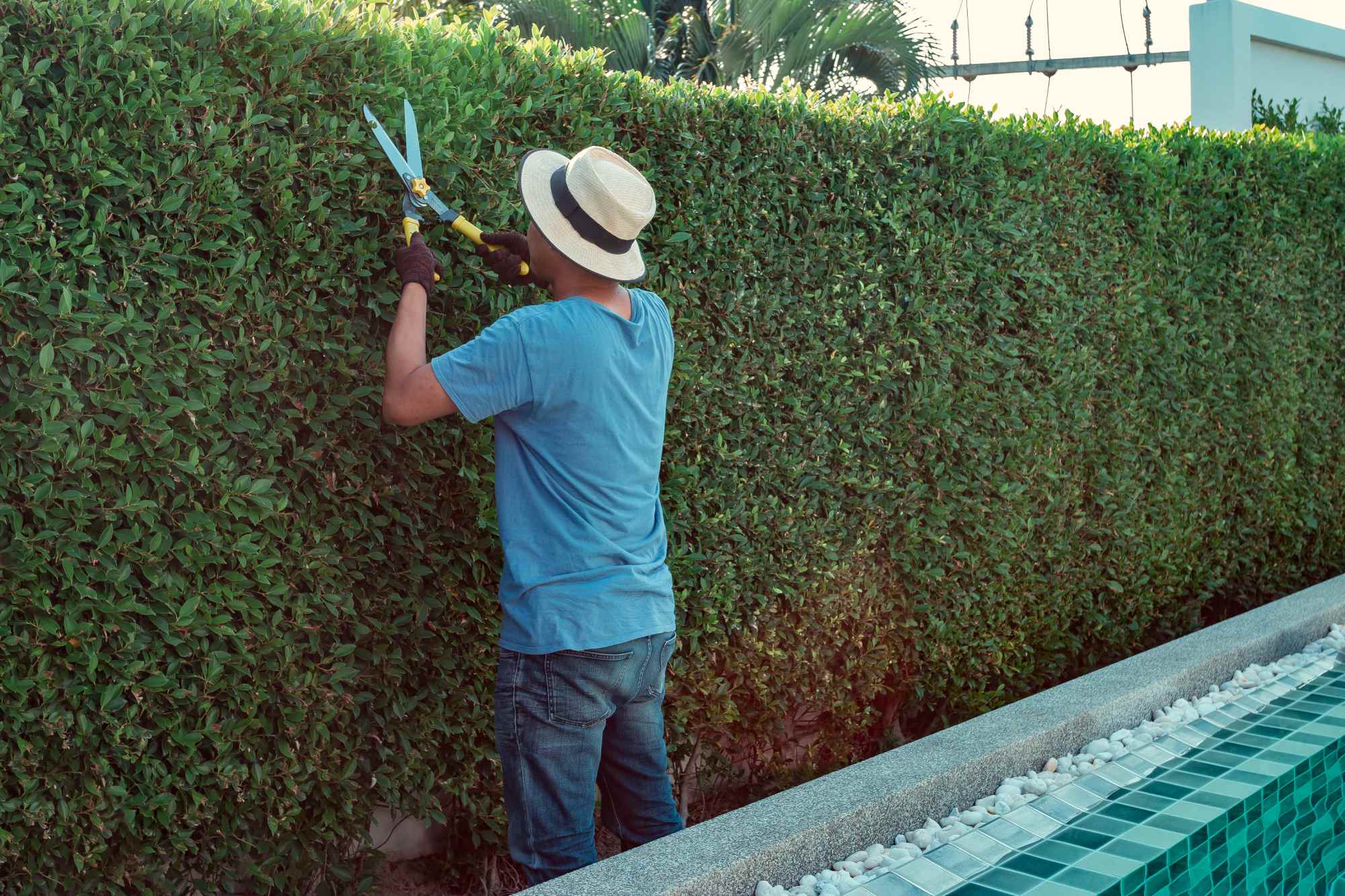
Hedges serve many practical functions in a landscape, from acting as windbreaks to enhancing privacy and noise reduction. Regular trimming keeps them dense, tidy, and well-shaped. Letting them grow unchecked can result in gaps, overextension, or an unbalanced appearance. Hedging isn’t simply about straight lines—it's about maintaining proportion, height, and form. Whether it’s a formal box hedge or a flowing native screen, consistency is key. With regular shaping, your hedge becomes an asset rather than a chore.

Tools make a significant difference in the quality of your hedging and pruning work. Sharp shears, pruning saws, and pole pruners provide clean cuts that heal faster and reduce plant stress. Dull tools can tear rather than slice, leaving jagged wounds that invite disease. Cleaning tools between cuts also prevents the spread of pathogens from plant to plant. Safety gear like gloves and eye protection are essential for handling woody branches and thorny growth. Investing in the right tools pays off in both plant health and personal ease.

For large properties or intricate garden layouts, strategic planning makes the work more efficient. Start with the tallest and most overgrown sections, gradually working your way down. Always step back to check your lines and ensure the shape remains balanced from all angles. Marking out height levels with string or chalk can help achieve a symmetrical finish. Pruning over time rather than in one heavy cut encourages more natural regrowth. Consistency, patience, and an eye for proportion are the hallmarks of expert work.

Beyond appearance, hedging and pruning also influence the environment around your plants. Well-managed greenery allows for better airflow, reduces shading on nearby plants, and encourages beneficial insect activity. In contrast, overcrowded and poorly pruned plants can stagnate and become havens for pests. By maintaining balance and structure, your entire garden ecosystem thrives. Healthy, open growth leads to fewer chemicals, less maintenance, and more sustainable outcomes. Nature responds positively when guided with care and attention.

In conclusion, hedging and pruning are powerful tools for shaping both form and function in a garden. They represent a blend of discipline and creativity, science and style. When done properly, these practices enhance beauty, encourage growth, and increase the longevity of your plants. Whether you’re crafting clean lines or coaxing blooms, every snip has a purpose. Great gardens aren’t built in a day—but with regular maintenance, they stay beautiful every day. And it all begins with thoughtful trimming and skilled hands.

Service 6
General Gardening

Gardening is more than a hobby—it’s a lifestyle rooted in patience, observation, and care. From vibrant flower beds to productive veggie patches, general gardening brings life, colour, and purpose to any outdoor space. It’s about creating harmony between soil, plants, and the environment. With each seed planted or weed pulled, you connect with nature in a deeply satisfying way. Every gardener, beginner or expert, shapes a space that reflects personal style and effort. In return, nature offers beauty, peace, and growth.

A successful garden begins with understanding the lay of your land. Sun exposure, soil composition, drainage, and wind patterns all influence plant performance. Before planting anything, it’s essential to assess these factors and plan accordingly. Choosing the right plants for the right spots ensures healthier growth and easier maintenance. Whether working with pots on a patio or a full backyard plot, good planning prevents common gardening setbacks. The best gardens are those that work with nature—not against it.

Soil health is the backbone of every thriving garden. A garden with poor soil will struggle no matter how much time or money is invested. Compost, mulch, and organic matter can vastly improve soil structure, fertility, and water retention. Testing the pH and nutrient levels gives insight into what your plants may be lacking. Feeding the soil means feeding the plants, and healthy soil invites worms, fungi, and beneficial microbes. Building rich, living soil is an ongoing process that pays long-term rewards.

Watering might seem simple, but there's an art to doing it well. Plants need deep, consistent watering rather than frequent, shallow sprinkles. Overwatering can suffocate roots and promote fungal growth, while underwatering leads to stress and stunted development. Early morning is the best time to water, allowing foliage to dry throughout the day. Installing drip systems or using soaker hoses can make irrigation more efficient. A smart watering routine is key to vibrant, resilient plants.

Plant selection should align with both your goals and your environment. Native species often perform better, needing less water and maintenance. Perennials offer lasting beauty, while annuals provide seasonal bursts of colour. If you're interested in edibles, herbs, vegetables, and fruit trees can add both beauty and bounty. Mixing textures, heights, and bloom times keeps the garden visually engaging throughout the year. Thoughtful variety leads to a more dynamic and sustainable garden landscape.

General gardening also includes tackling pests and diseases before they become serious problems. Spotting early signs—like curled leaves, discolouration, or chewed stems—can prevent widespread damage. Natural solutions such as companion planting, neem oil, and introducing beneficial insects are effective and eco-friendly. Healthy plants are less likely to attract pests, so prevention starts with good care. Staying observant and responsive keeps your garden balanced without relying heavily on chemicals. An attentive gardener becomes the first line of defence.

Routine upkeep makes the difference between a chaotic yard and a serene sanctuary. Deadheading flowers, trimming overgrowth, and removing debris are simple tasks that improve both appearance and plant performance. Mulching conserves moisture and suppresses weeds, saving time in the long run. Scheduling regular maintenance prevents small issues from becoming major projects. Gardening is not a one-time job but a continuous rhythm of nurturing and refining. The effort you invest reflects directly in your garden’s condition.

Gardening is as rewarding as it is therapeutic. It invites you to slow down, breathe fresh air, and take pride in what you’ve grown. The lessons learned from tending to plants often translate into everyday life—patience, care, resilience. Whether you're creating a peaceful retreat or a productive food source, gardening fulfills on many levels. It's not about perfection, but about progress and presence. With your hands in the soil and your mind at ease, every garden becomes a personal triumph.

Service 7
Planting

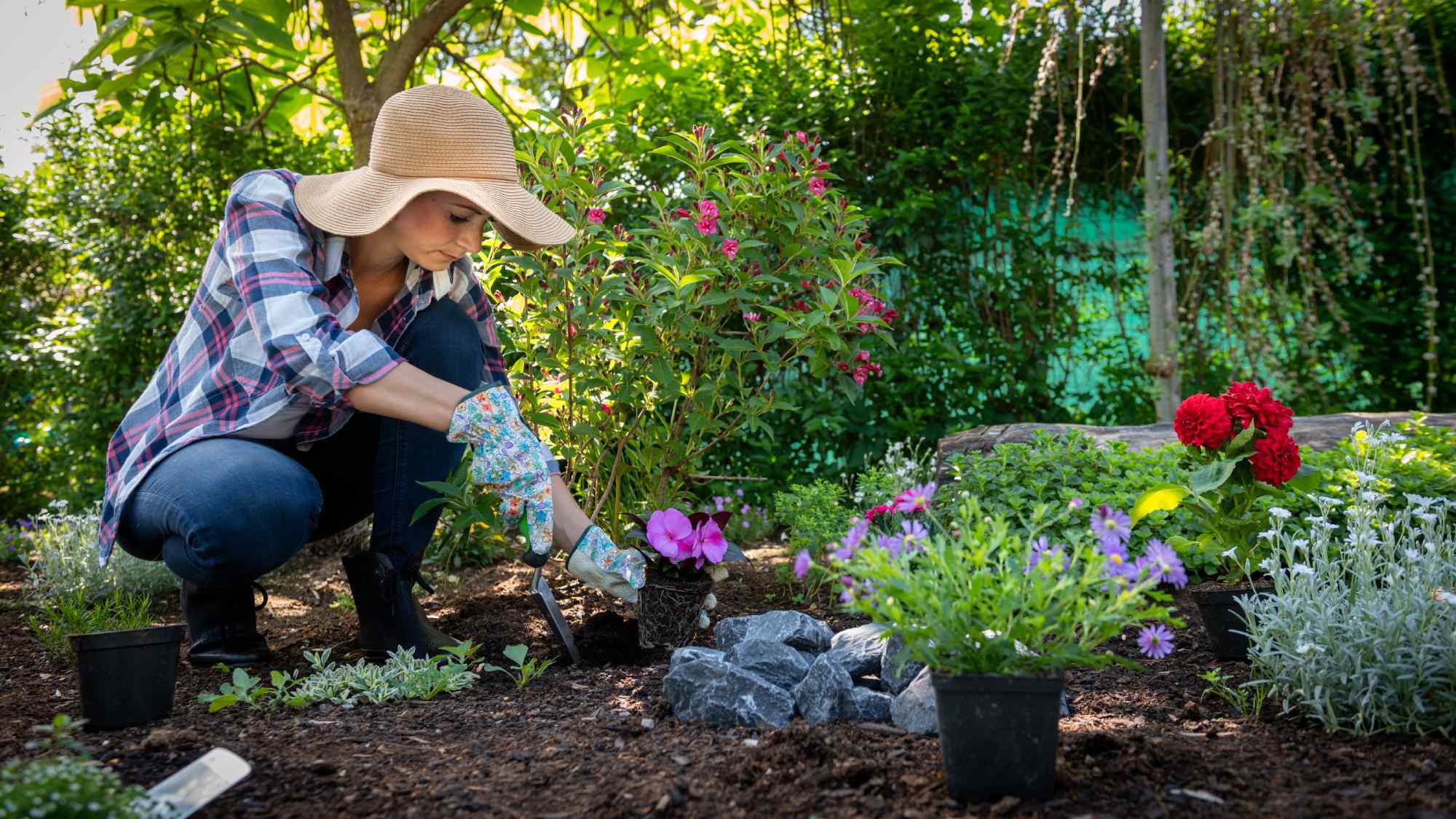
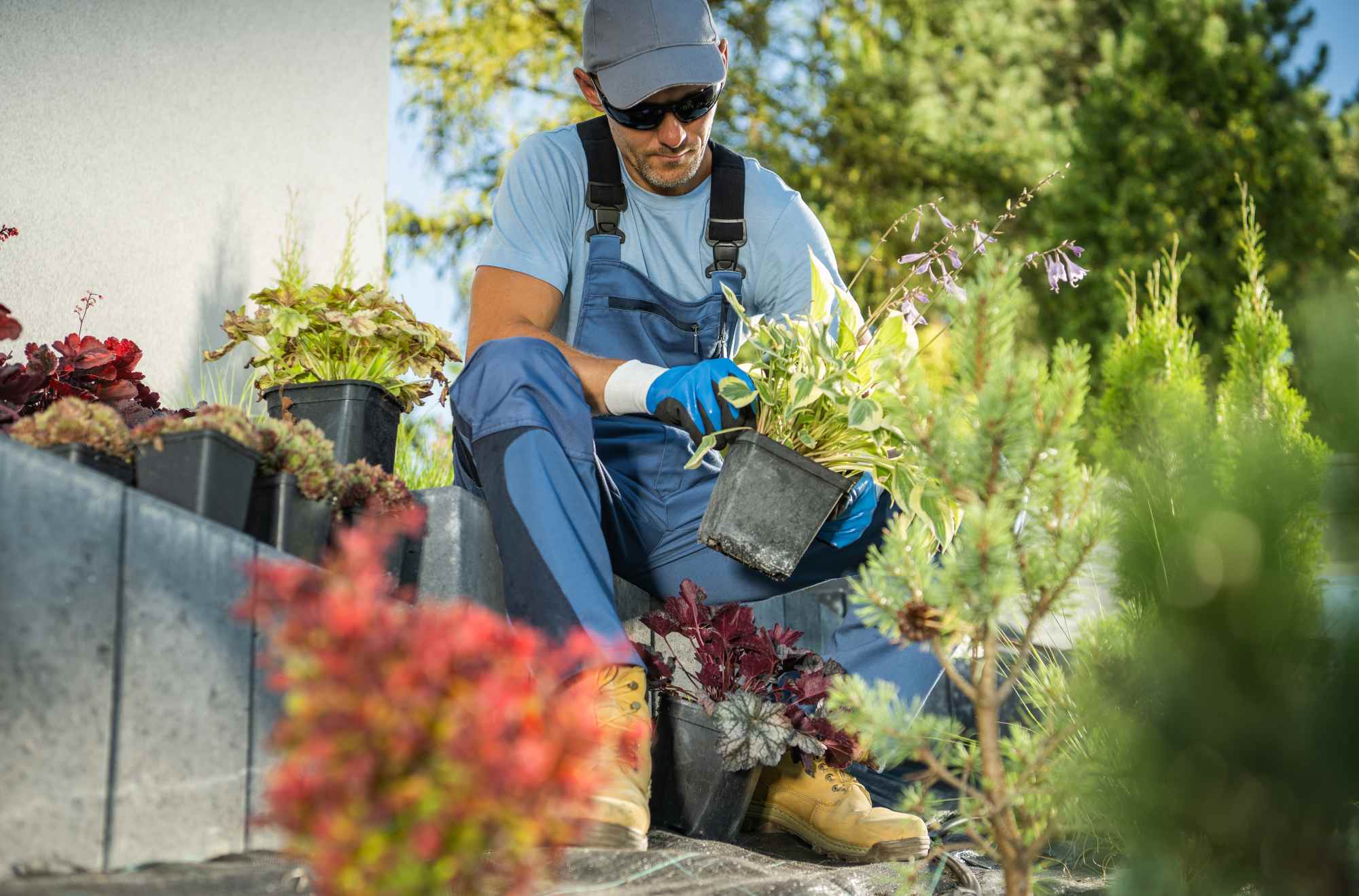
Planting is the first step in turning empty space into something alive and full of purpose. Whether it’s flowers for colour, vegetables for the table, or trees for shade, the act of planting sets everything in motion. It’s where planning meets action and creativity meets nature. A thoughtful planting approach can transform dull areas into stunning focal points. Each plant added is a small investment in the future beauty and balance of your landscape. Done right, planting brings energy and vitality to your garden.

Understanding your local climate is key when selecting what to plant. Some species thrive in dry, sunny conditions, while others prefer cool, shaded spots. Matching plant needs to your region's weather and soil ensures longevity and low maintenance. What grows well in one suburb may struggle in another just a few kilometers away. Consulting local nurseries or professionals helps you choose resilient, thriving species. Smart choices at the beginning lead to less work and better results down the line.

Before anything goes into the ground, preparation is essential. Loosening the soil, removing weeds, and adding compost sets up the area for healthy root growth. Poorly prepared ground can stunt development and create long-term problems. A planting hole should be wide and deep enough to accommodate the root ball comfortably. It’s also important to consider spacing so each plant has room to grow without crowding others. Good groundwork leads to strong, lasting growth above the surface.

Timing matters just as much as technique when it comes to planting. Some plants prefer the warmth of spring, while others establish better in the milder temperatures of autumn. Planting during the right season gives roots time to settle before facing extreme heat or cold. Avoid planting during dry, windy days which can stress tender new additions. Early morning or late afternoon is usually ideal to reduce transplant shock. The right conditions set the stage for a healthy start.

Planting isn't only about function—it’s also about creating visual interest. Using a mix of textures, colours, and heights can add depth and dimension to your landscape. Grouping plants in odd numbers often looks more natural than even spacing. Repeating certain species or colours helps unify different areas of the garden. Whether it’s a bold centrepiece or subtle groundcover, each plant plays a part in the overall design. With a little intention, planting becomes a creative art form.

Watering immediately after planting helps settle the soil and eliminate air pockets. Young plants need consistent moisture while they establish their roots, but overwatering can be just as harmful. A layer of mulch around the base helps retain moisture and keep weeds at bay. It's crucial to monitor new plantings closely in their early days to catch any signs of stress. Establishing a strong routine early leads to healthy, independent growth later. Proper aftercare is as important as the planting itself.

Incorporating a mix of perennials and annuals can create balance between long-term structure and seasonal variety. Perennials provide a stable backbone to your garden, returning year after year with minimal effort. Annuals offer bursts of colour and can be swapped out as tastes or seasons change. Don’t overlook the value of edible plants, which can be both decorative and practical. Mixing ornamental and productive species creates a more dynamic and sustainable space. Diversity in planting brings greater beauty and ecological benefit.

Ultimately, planting is where your garden’s story begins. It’s about placing something in the soil and watching it grow, change, and thrive over time. Each plant has a role, whether it’s to provide beauty, function, or nourishment. With every new addition, your outdoor space becomes more vibrant and alive. There’s a sense of reward in watching what you’ve planted flourish under your care. And it all starts with one small dig into the earth.

Service 8
Garden Rubbish Removal

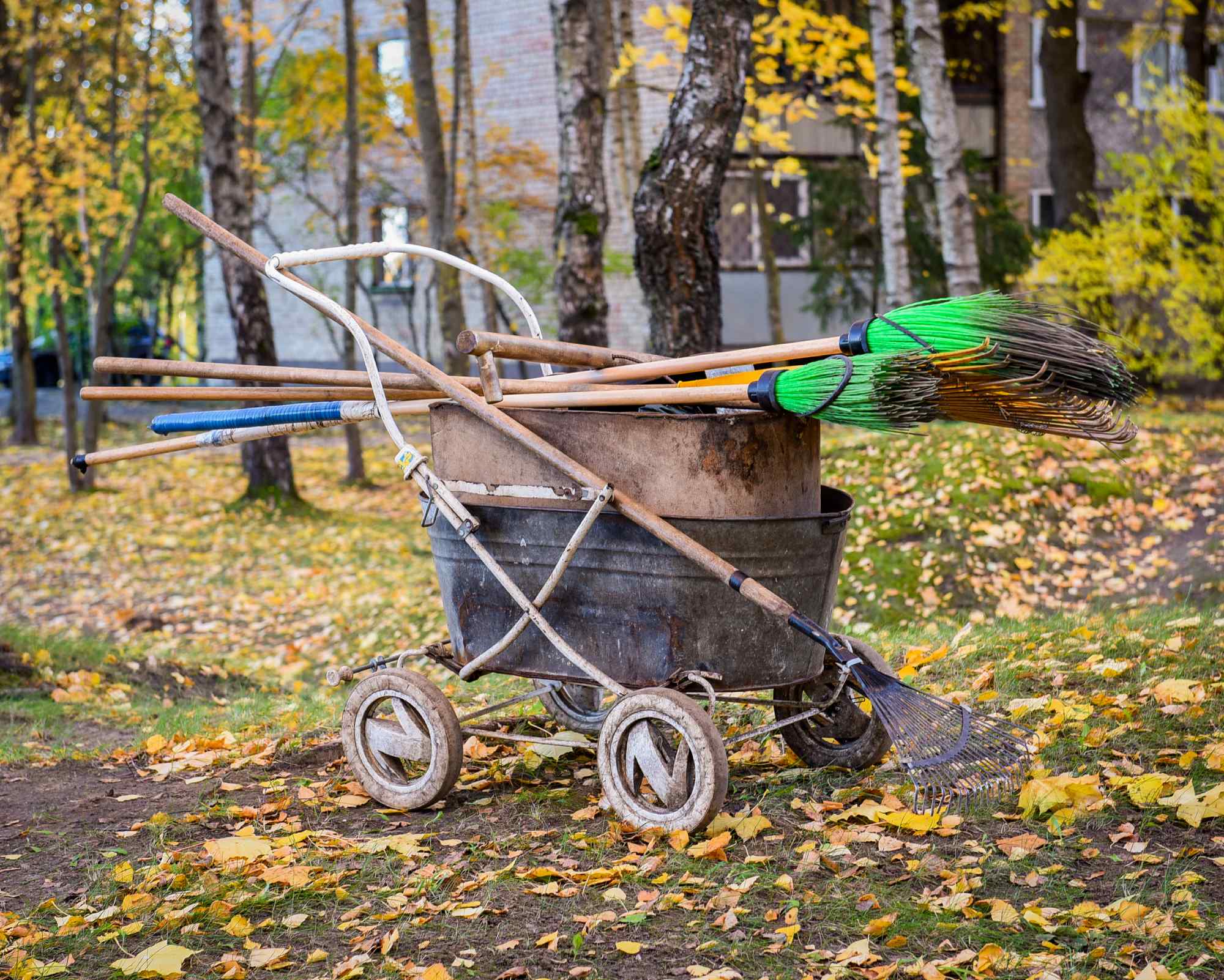
A beautiful garden doesn’t just grow—it’s maintained through regular clean-ups and proper disposal. Garden rubbish removal is essential for keeping your outdoor area looking tidy, healthy, and safe. Over time, leaves, branches, clippings, and other debris can build up, creating a cluttered and unkempt appearance. More than just unsightly, garden waste can attract pests, mold, and unwanted weeds. Clearing it away helps your plants breathe and your space feel refreshed. A clean garden is easier to enjoy and much easier to manage.

Many homeowners underestimate just how quickly green waste can accumulate. After pruning, mowing, or a seasonal refresh, piles of organic material often overwhelm standard bins. Trying to manage it alone can turn into a time-consuming chore. That’s where professional garden rubbish removal becomes a valuable solution. With the right tools and vehicles, experts can clear it efficiently and responsibly. It saves time, effort, and the stress of multiple trips to the tip.

Removing rubbish also makes space for new growth and fresh ideas. Whether you’re preparing for new planting, a landscaping project, or simply want to enjoy more open space, decluttering is the first step. Branch piles, grass clippings, and fallen leaves can block light and airflow to the soil beneath. By clearing them away, you allow your garden to recover and thrive. Clean spaces invite new opportunities, whether aesthetic or practical. Sometimes, progress starts with letting go of the old.

Garden waste disposal isn't just about tossing everything into a bin—it requires careful handling. Certain materials may need to be separated, such as invasive weeds, diseased plants, or sharp branches. Some items can be composted or mulched, while others must be taken to green waste facilities. Professional services often include sorting and sustainable recycling of garden debris. Responsible disposal practices support a healthier environment and reduce landfill impact. It's about clearing with care, not just convenience.

Garden rubbish isn’t limited to plant matter. Old pots, broken edging, damaged tools, and rotted timber often lurk in corners of the yard. These items not only create visual clutter but can also become safety hazards. Removing unwanted garden junk makes room for functional and attractive elements instead. It’s an opportunity to reclaim space that’s been lost to forgotten or unusable materials. A garden should be a peaceful retreat—not a storage ground for worn-out odds and ends.

Timing your garden rubbish removal can be just as important as the act itself. Post-storm clean-ups, seasonal pruning, or before a property sale are all ideal moments to tackle the task. Removing waste during these times ensures your garden looks its best when it matters most. Regular removal also prevents buildup that can lead to bigger, more expensive clean-ups later. Staying ahead of the mess keeps your yard manageable all year round. It’s easier to maintain order than restore it.

For many busy homeowners, garden rubbish removal is best left to professionals. Experts arrive with the right equipment, saving you from heavy lifting and multiple tip runs. They work quickly and safely, often leaving your garden cleaner than it was before the work began. Hiring help ensures proper disposal and gives you more time to enjoy your outdoor space. It’s an affordable service that delivers real visual and practical results. Peace of mind is just another bonus.

A well-maintained garden begins with a clean foundation. Removing green waste and unwanted clutter makes your space healthier, safer, and more enjoyable. It opens up your landscape, allowing plants to thrive and designs to come to life. Garden rubbish removal isn’t a one-time fix—it’s an essential part of regular care. With consistency, your yard becomes easier to manage and far more inviting. And sometimes, the most satisfying transformation starts with simply clearing things away.